
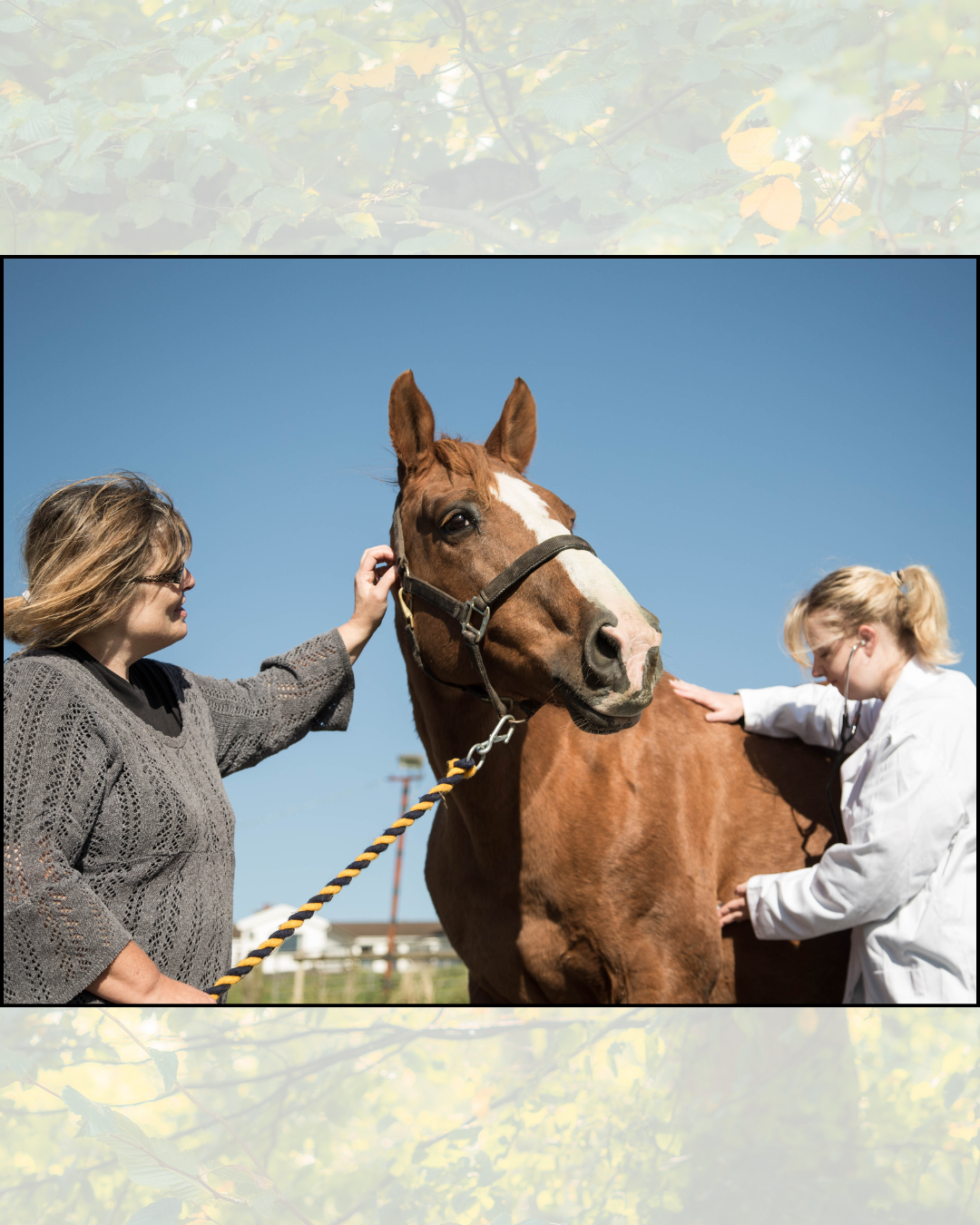
Does my horse need specific training for vet and farrier handling?
Safe, cooperative handling is a huge part of responsible horse care. Preparing your horse to stand quietly, allow restraint, and tolerate routine procedures protects them, their care team, and anyone who may need to step in during an emergency.
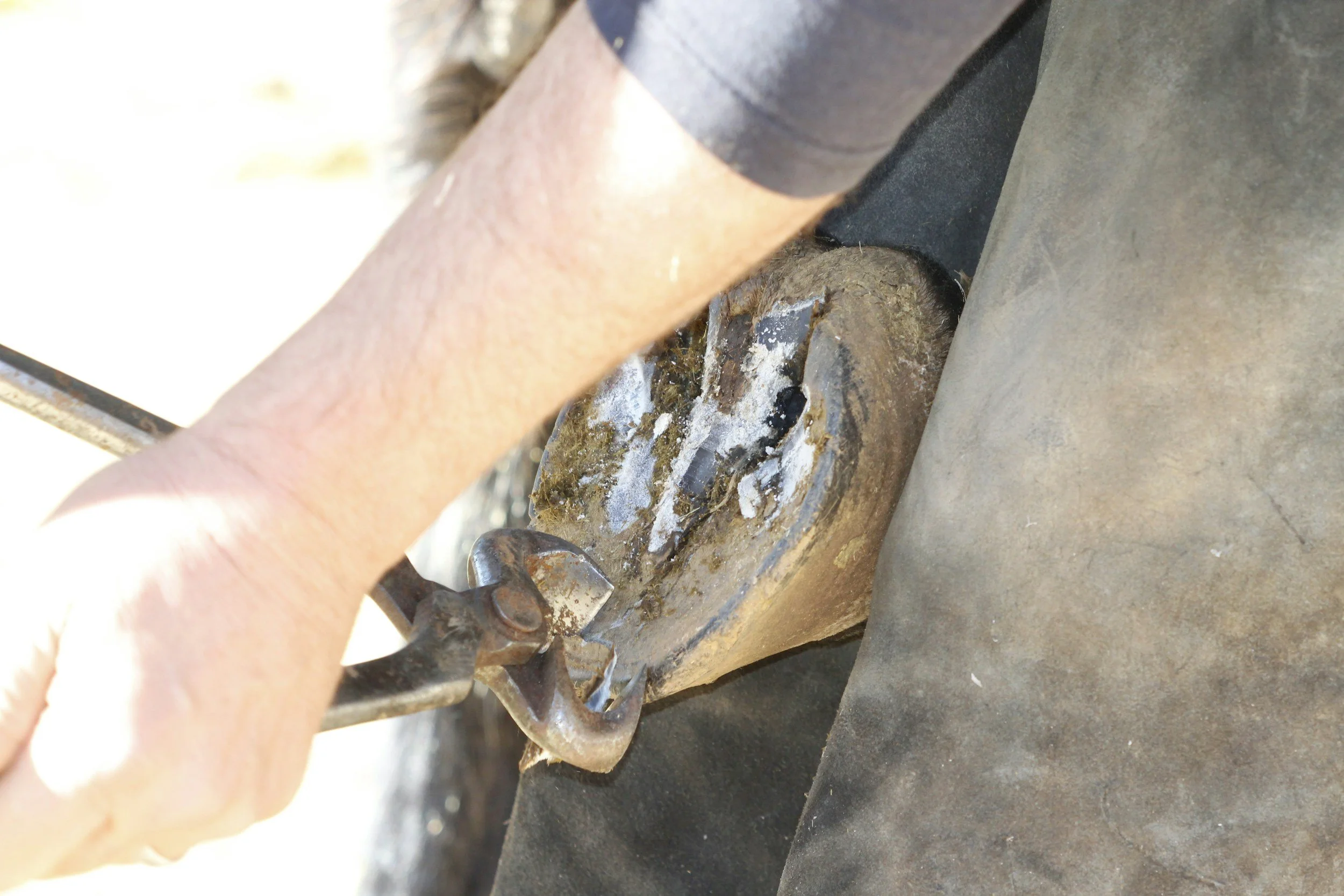
My horse struggles to stand for the farrier - how can I help?
Difficulty standing is often a mix of discomfort and lack of conditioning. Seek support to rule out pain first, then build tolerance gradually through short, consistent practice between appointments. Standing quietly is a trained skill and an important part of basic handling.
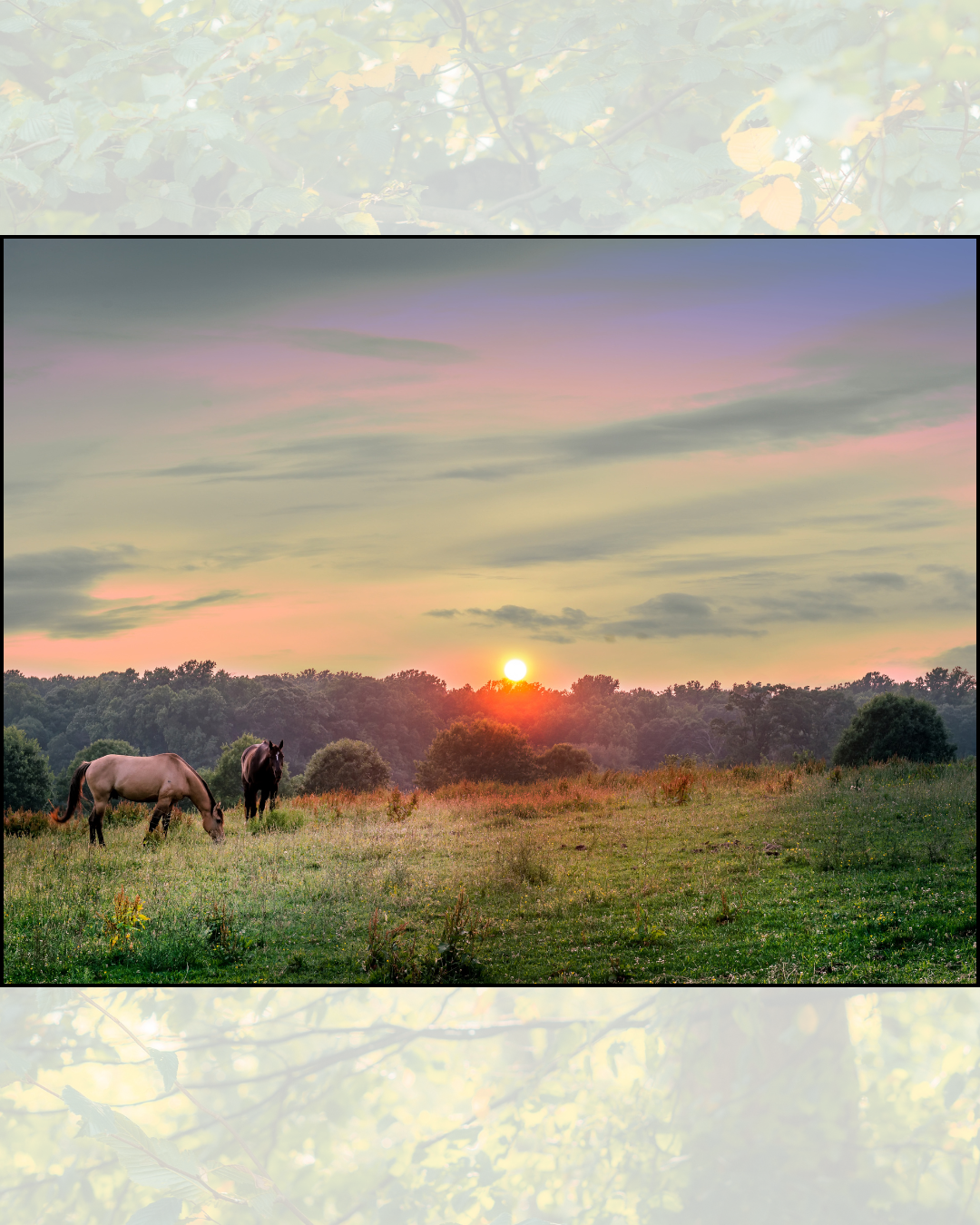
How much turnout does my horse need?
Horses are designed to move for many hours daily. Limited movement affects digestion, joints, behavior and almost every aspect of their life.
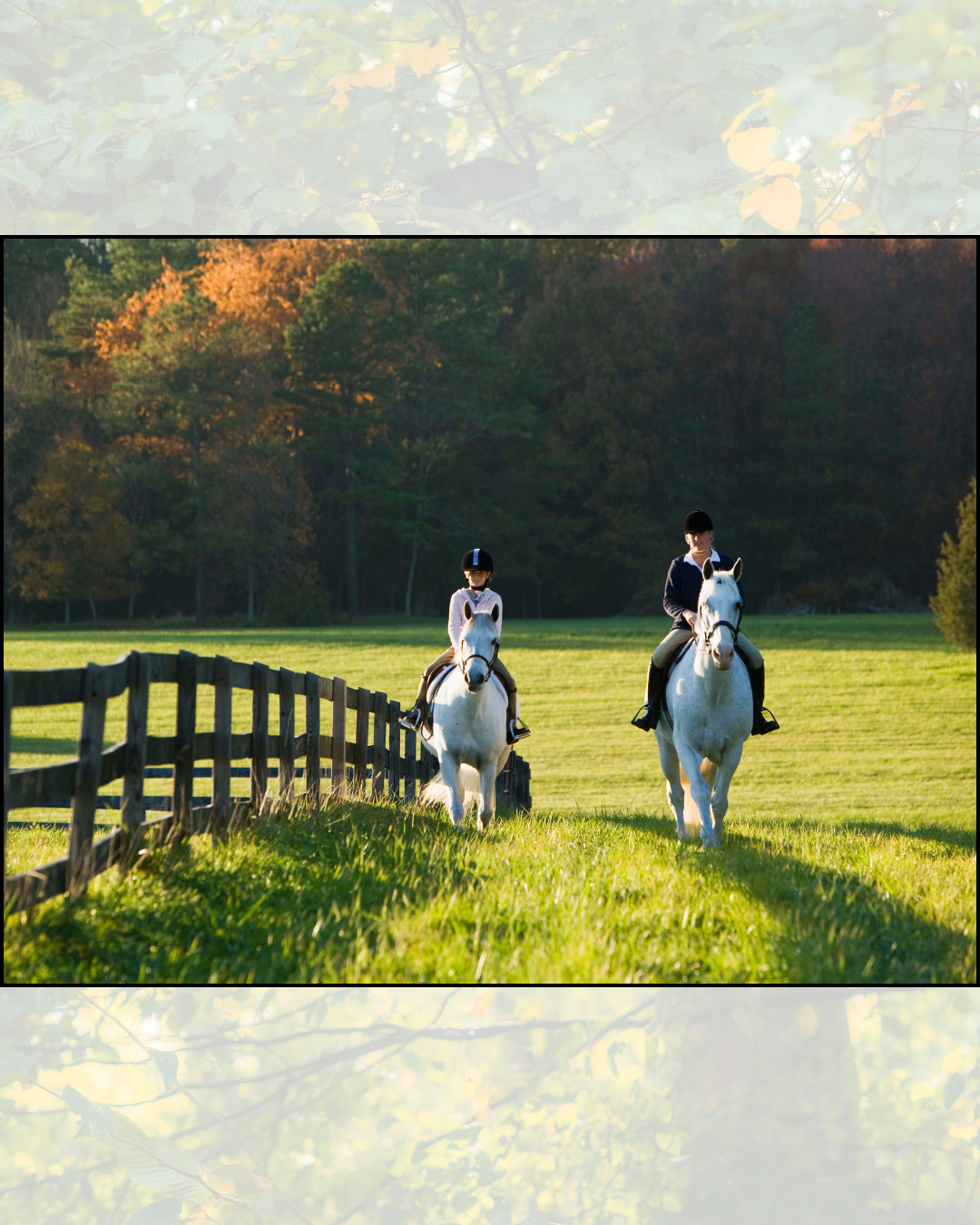
How quickly can I safely increase my horse’s workload?
Gradual increases allow their mental and physical state to adapt in a healthy way. Sudden jumps in intensity raise injury risk and can present long-term complications.
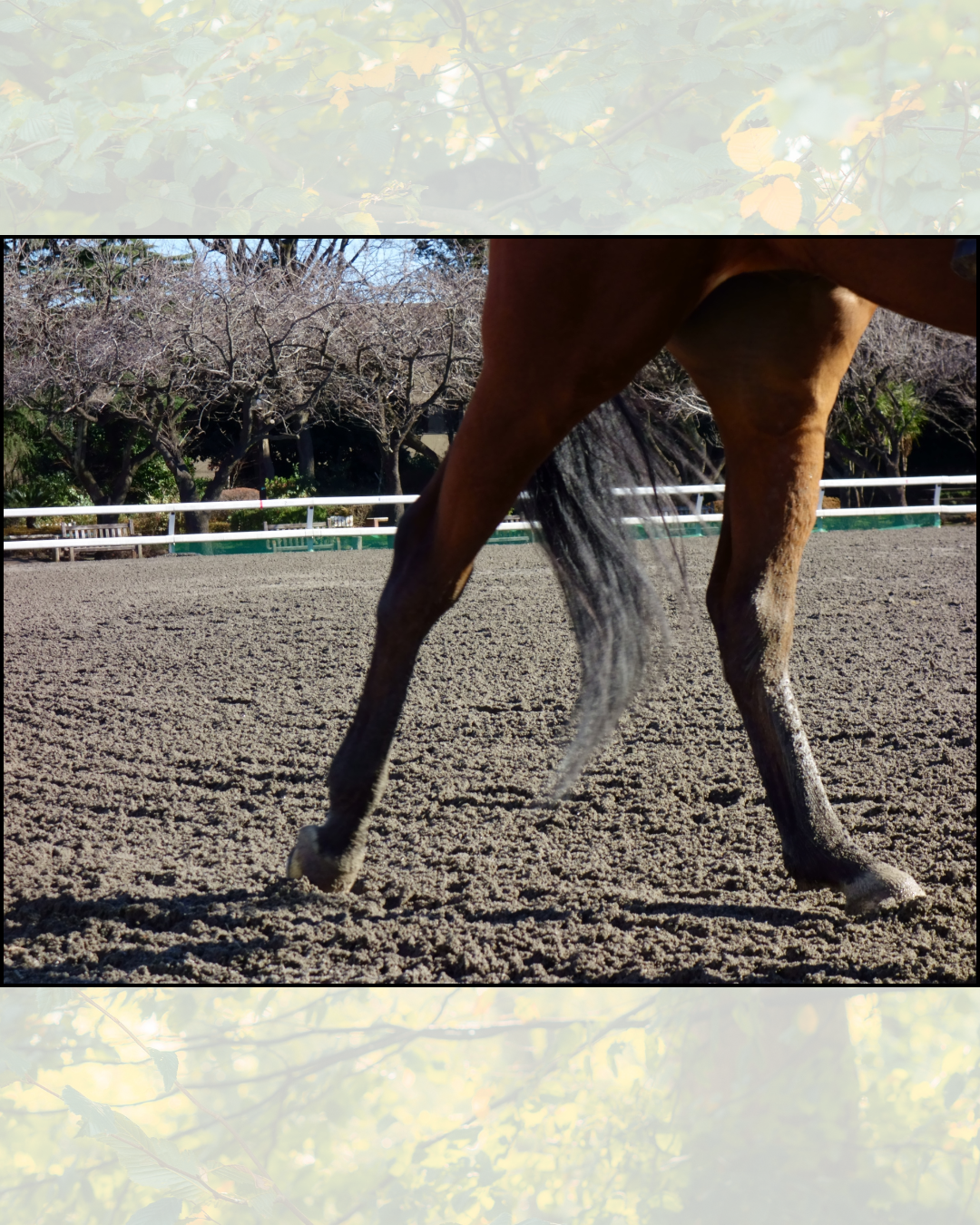
Why does terrain matter so much?
Footing influences hoof wear, joint load, and tendon strain. Traveling over varied terrain builds their resilience and proprioception.
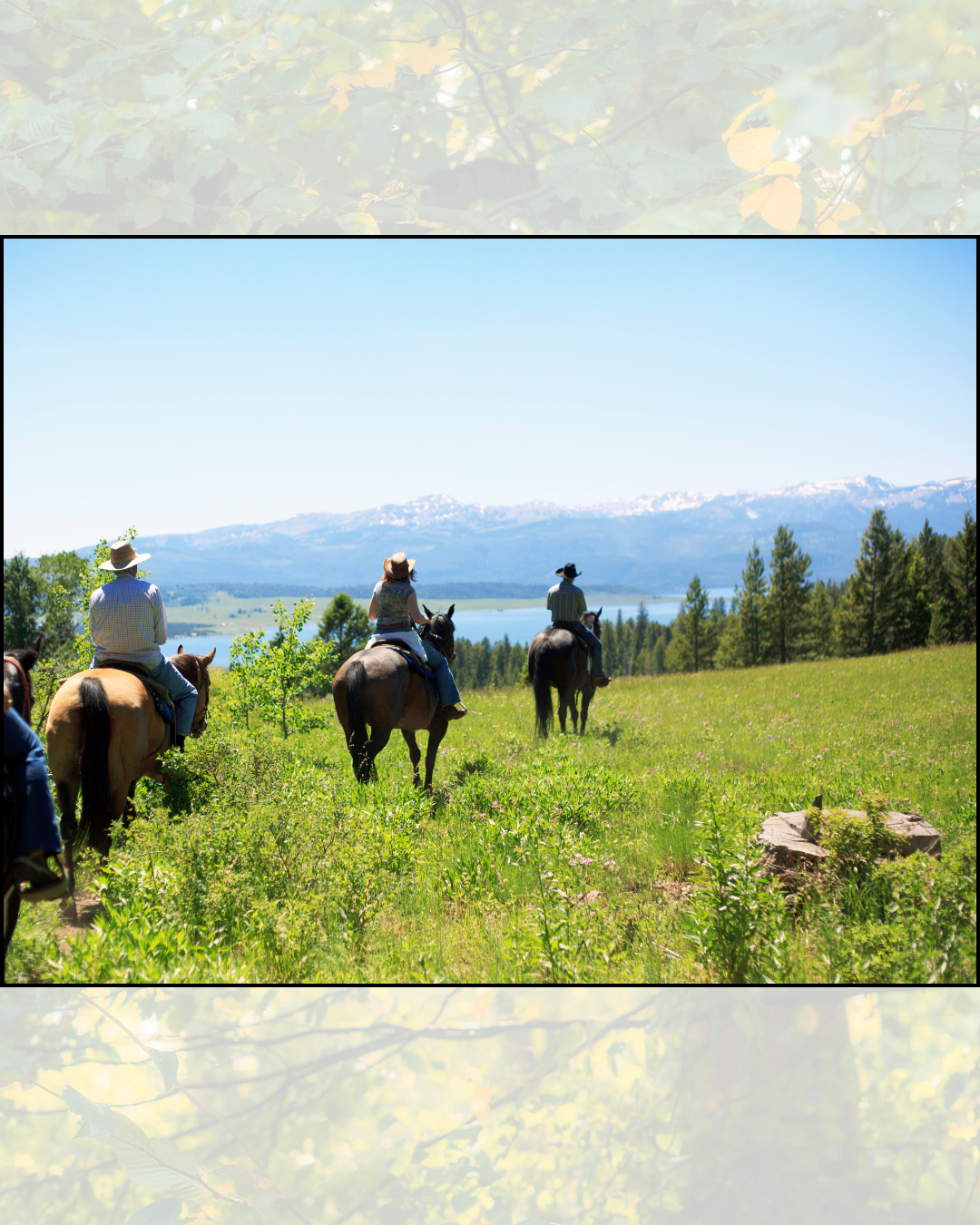
Do I always need to warm up and cool down?
Yes, especially when it comes to riding and carrying additional weight or when exposed to new environmental conditions.